Are you aiming for a career in the renewable energy sector, specifically as a wind turbine technician? One of the essential requirements for this competitive position is to undergo a medical assessment to ensure your overall fitness.
At Express Offshore Medicals North East, we offer specialised medical assessments tailored to the needs of workers in the renewable energy industry, including those involved in wind turbine operations. In this blog post, we will explain which medical assessment you need to become a wind turbine technician, and how this applies to the unique challenges of the role.
What are the key responsibilities of a wind turbine technician?
Wind turbine technicians play a crucial role in the renewable energy sector, ensuring the efficient and safe operation of wind turbines. Their responsibilities are diverse and can vary depending on the specific type of wind turbines they work with and the employer’s requirements.
Here are some of the key duties and responsibilities of a wind turbine technician:
- Maintenance and inspection: Wind turbine technicians conduct routine maintenance tasks to keep turbines operating smoothly. This includes inspecting, cleaning, and lubricating mechanical components, checking electrical systems, and identifying any signs of wear or damage.
- Troubleshooting and repairs: When issues arise, wind turbine technicians diagnose and troubleshoot problems with the mechanical, electrical, and hydraulic systems of wind turbines. They then perform necessary repairs to get the turbines back up and running.
- Safety checks and compliance: Safety is paramount in this field. Wind turbine technicians ensure that all safety protocols are followed during maintenance and repair activities. They are trained to work safely at heights and around moving parts to minimise the risk of accidents.
- Blade maintenance: Wind turbine blades are crucial for efficient operation. Technicians inspect and maintain blades to detect damage, erosion, or other issues that could affect performance.
- Electrical system checks: Ensuring that electrical components, such as generators, transformers, and power converters, are functioning correctly is a key responsibility.
- Installation and commissioning: When new wind turbines are installed, technicians assist in the assembly and commissioning process, ensuring that they are connected to the power grid correctly.
The RenewableUK wind turbine medical assessment
The RenewableUK (RUK) medical assessment is a comprehensive evaluation designed to ensure that individuals working in the renewable energy sector are physically and mentally fit for the demanding tasks involved. This assessment is crucial due to the unique challenges associated with wind turbine work, such as:
- Working at great heights: Wind turbines often reach towering heights, exposing technicians to the risk of falls and other accidents.
- Operating in confined spaces: The interior of wind turbines can be cramped and poorly ventilated, posing potential respiratory risks.
- Exposure to extreme weather conditions: Wind turbine technicians must be prepared to work in harsh weather, including high winds, rain, and extreme temperatures.
- Demanding physical activity: The job often involves heavy lifting, climbing, and strenuous physical exertion.
The assessment aims to identify any underlying health conditions that could pose a risk to the wind turbine technician’s safety or their ability to perform their duties effectively. Such conditions might include:
- Cardiovascular problems: Heart conditions can increase the risk of heart attacks or strokes, particularly when working in stressful or physically demanding environments.
- Respiratory disorders: Lung conditions can make it difficult to breathe in confined spaces or during strenuous activity.
- Musculoskeletal issues: Back pain, joint pain, or other musculoskeletal problems can hinder a technician’s ability to perform tasks that require physical strength and endurance.
- Mental health concerns: Stress, anxiety, or depression can affect a technician’s judgment, decision-making, and overall performance.
By identifying these potential risks, the assessment helps to protect both the wind turbine technician’s well-being and the integrity of the wind turbine itself. Additionally, it helps to ensure that the renewable energy industry maintains a high standard of safety and efficiency.

What does the RUK wind turbine medical assessment involve?
The RUK medical assessment is a comprehensive evaluation with multiple components to ensure those seeking work in the renewable energy sector are up to the task physically and mentally. The assessment typically includes the following components:
Health and medical history questionnaire
A detailed questionnaire is used to gather information about your past and present health. This includes questions about:
- Medical conditions: Any existing or previous health conditions, such as heart disease, respiratory problems, or musculoskeletal disorders.
- Medications: Any prescription or over-the-counter medications you are taking.
- Surgeries: Any surgeries or procedures you have undergone.
- Allergies: Any allergies to medications or other substances.
- Family history: Any significant health conditions in your family history.
Consultation with an occupational health professional
After completing the questionnaire, you will have a consultation with either an Occupational Health Physician or an Occupational Health Advisor. This consultation provides an opportunity to discuss your health history in more detail and to address any concerns or questions you may have.
Routine urine test
A urine test is typically conducted to check for any abnormalities that could indicate underlying health issues.
Height and weight calculation for BMI
Your height and weight are measured to calculate your Body Mass Index (BMI). This is a measure of body fat based on height and weight.
Eye test
An eye test is performed to ensure that you have adequate vision for working on wind turbines. This role often involves tasks that require good eyesight, such as reading gauges and instruments.
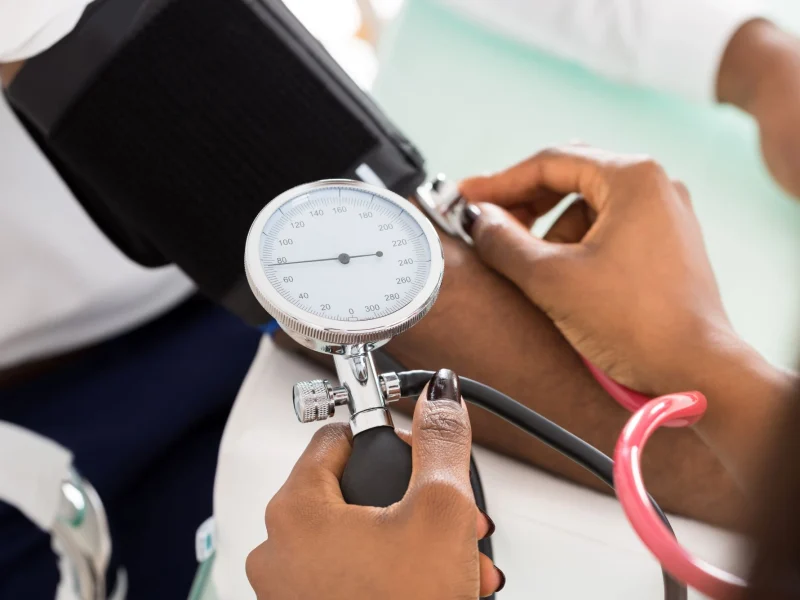
Pulse and blood pressure assessment
Your pulse and blood pressure are measured to assess your cardiovascular health. High blood pressure or irregular heart rhythms can increase the risk of heart attacks or strokes.
Spirometry (Lung function test)
A spirometry test is conducted to measure your lung capacity. This test is important for individuals working in wind turbines, as they may be exposed to airborne pollutants or need to work in confined spaces.
Hearing test
A hearing test is performed to evaluate your hearing ability. Exposure to loud noises, such as those generated by wind turbines, can damage hearing over time.
Chester Step Test
The Chester Step Test is a physical fitness test that assesses your cardiovascular endurance. It involves stepping up and down on a step at a steady pace for a set duration.
Additional medical assessments
While the above components are standard in most RUK wind turbine medical assessments, additional tests may be incorporated depending on your specific circumstances or the requirements of your employer.
For example, if you have a history of respiratory problems, you may undergo additional lung function tests. If you have a history of back problems, you may be asked to undergo a physical examination to assess your spinal health.
How Express Offshore Medicals North East can help
If you’re ready to take the next step toward a career as a wind turbine technician, book your RUK medical assessment with Express Offshore Medicals North East. Our team of experienced professionals is dedicated to providing you with the highest quality medical care and ensuring your fitness for work in this incredibly valuable industry.