For a lot of people, becoming a heavy goods vehicle (HGV) driver offers a rewarding career prospect with plenty of variety. One day you might be delivering goods to a busy city centre, the next travelling across the country and seeing parts of the UK that most people never get to see. It’s a role that gives you independence, but also responsibility.
You have a responsibility to keep goods safe, and more importantly, other people on the road. And with that responsibility comes the need to meet certain health standards. HGV drivers spend long hours behind the wheel, clocking up a lot of miles while operating huge vehicles. It’s important, then, that drivers are medically fit to do the job.
That’s where HGV driver medicals come in. If you’re applying for your first HGV licence, in need of a renewal, or are coming back to driving after some time away from the industry, you’ll need to understand the D4 medical process.
Today, we’ll explain who needs a D4 medical, what the assessment involves, and how we can get you back on the road quickly and with minimal hassle.
What is an HGV driver medical?
An HGV driver medical is a health assessment required by the Driver and Vehicle Licensing Agency (DVLA) for drivers applying for or renewing certain vocational driving licences. The purpose of the medical is to confirm that you meet the health standards needed to safely operate larger vehicles on public roads.
As we’ve established, HGV drivers often spend long periods driving and might also be responsible for transporting valuable or sensitive goods over long distances. Because of this, the DVLA requires evidence that they’re medically fit to drive.
The results of the assessment are recorded on what’s called a D4 medical form. This form is then submitted to the DVLA as part of the licensing or renewal process. And while this can sometimes feel quite daunting, most drivers find the process straightforward.
The appointment is designed to identify any health conditions that could affect safe driving while giving drivers a chance to talk about any medical concerns they might have with a medical professional.
Who needs a D4 medical and when?
There are a number of situations where an HGV driver will need a D4 medical. The most common of these is when you’re applying for an HGV licence for the first time. Before you can get your vocational licence, you need to submit a completed D4 medical report along with your licence application.
Drivers also need to renew their HGV entitlement at certain intervals throughout their career. For example, drivers need a new medical when they reach the age of 45. From this point onwards, drivers have to renew their entitlement every five years until they hit 65.
Once a driver turns 65, renewals need to be done on an annual basis. This is because of the increased likelihood of health conditions developing later in life and helps maintain safety standards across the industry.
There are also some circumstances where the DVLA might ask for additional medical information outside of the standard renewal periods. This can happen if a driver develops a medical condition or reports symptoms that might impact their ability to drive.
If you’re unsure whether or not you need a medical, it’s always worth checking the latest DVLA guidance or speaking to a medical provider experienced in HGV driver medicals.
What happens during the D4 medical process?
One of the most common questions we hear drivers ask is what happens during the appointment itself. And the good news is that the process is usually quick and simple.
Before the appointment
You’ll be asked to provide details about your medical history. This helps us understand any existing health conditions, previous treatments, medications, or relevant family history you might have. We’ll then carry out a series of checks required by the DVLA.
Eyesight test
As you might expect, one of the most important parts of the assessment is the eyesight test. Drivers need to meet the minimum vision standards to hold an HGV licence, so we’ll check your visual acuity. If you wear glasses or contact lenses, you should bring them with you to the appointment.

Blood pressure
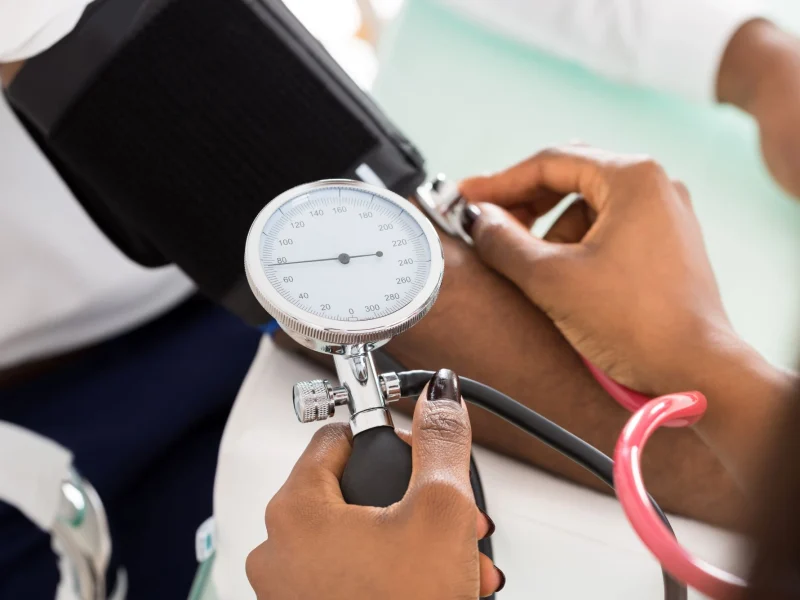
We’ll also measure your blood pressure. High blood pressure can increase the risk of certain health issues and might need further investigation if readings fall outside of the acceptable range.
Other health checks
We might also assess other aspects of your health, including your cardiovascular health, neurological history, and any conditions that could impact your ability to drive safely.
This will vary from person to person. For some drivers, the appointment is over quickly with no issues identified. For others, additional info might be needed. But in most cases, the assessment takes around 15 minutes to complete.
Common medical conditions and HGV driving
A lot of drivers worry that having a medical condition automatically means they won’t pass their D4 medical. But this isn’t really the case. Many people still hold HGV licences while managing conditions like high blood pressure, diabetes, sleep apnoea, or heart conditions.
The key factor is whether the condition is being properly managed, or whether it affects the driver’s ability to safely drive their vehicle. As with most things in life, honesty is the best policy throughout the process. Failing to disclose a medical condition can create all sorts of complications down the line and results in delays.
If you’ve got a condition that you’re concerned about, it’s often helpful to gather any relevant medical information before your appointment. This can help us complete the assessment more quickly and keep delays to a minimum.
How to complete your D4 form successfully
The D4 form is such an important part of the HGV medical process, so completing it carefully is vital. Before attending your appointment, download the latest version of the D4 form from the DVLA. You’ll need to complete the sections with your personal details and medical history. Make sure all of the information is accurate and up to date.
Bring the form with you to your appointment. We’ll then complete the medical sections following your assessment and sign the relevant pages. Before submitting the paperwork, take a few moments to check that every section has been completed correctly. Missing info or unsigned sections can cause unnecessary delays.
Once this is all complete, you can submit the form to the DVLA along with any other required documents relating to your licence application or renewal. A lot of delays are caused by mistakes in forms rather than because of issues with the medical itself. So, it certainly pays to give it a quick final review and save yourself time later.
Why choose us for your HGV medical?
When you need an HGV medical, you want the process to be simple, affordable, and convenient. We know that drivers are often working around busy schedules and shift patterns. That’s why we’re focused on providing flexible appointments and keeping things quick from start to finish.
Our team has 20 years of experience and carries out HGV driver medicals on a regular basis. So, we understand exactly what’s required for the D4 process. Whether you’re attending your first medical or your 10th, we’ll guide you through the appointment and answer any questions you might have along the way.
We also offer competitive pricing, making it easier for you to get the medical certification you need without paying more than necessary.
We’re here to help make the process as easy as possible. With an experienced team, convenient appointments, we can help you complete your D4 medical with confidence. If you still have any questions about the D4 medical, please get in touch and we’ll help you as best we can.